Let’s Talk Tough Times
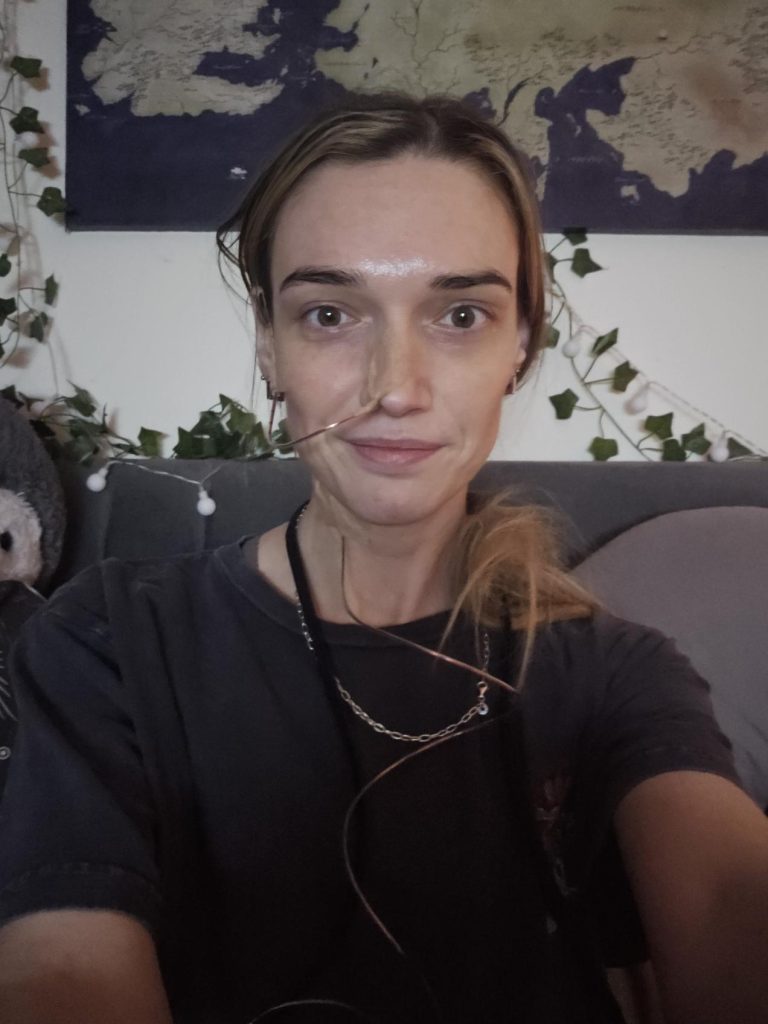
As someone who is often branded as the “positive” or “strong” one among my friends and family, I’ve received numerous comments about my seemingly boundless resilience. “I don’t know how you do it,” or “I can’t imagine what you go through.” But here’s the truth: sometimes, I don’t know how I manage either. This week has been particularly tough, underscoring a crucial point—it’s as important to acknowledge the struggle as it is to maintain positivity.
Living with this pain means waking up each day to a battle. From the moment I open my eyes, I am engulfed in agony. My body is heavy; every joint stiff and sore. The nerve pains that shoot down my back into my legs, the overwhelming weakness, and the exhaustive assortment of morning medications—it’s a brutal start to a day that promises only more of the same: pain, fatigue, and a perpetual fight to make it to bedtime only to do it all over again tomorrow.
The reality is, it’s exhausting. And being constantly tired is, well, exhausting. There are moments when the thought of surrendering—of no longer fighting this endless battle—creeps in. Sometimes, I find myself wishing not to wake up, craving peace and a day without pain. These thoughts are hard to voice because they often get misinterpreted. When I talk about wanting to be “at peace” or free from pain, people worry. I don’t blame them. If one of my loved ones talked about giving up or not waking up again, I’d be concerned about them too. Those close to me wonder if I’m talking about giving up on life itself. To be honest, sometimes I think I am.
I really need to be clear at this point though: I do not want to die. I love my life and the people in it. But it’s normal, I believe, to long for an escape from constant suffering. This doesn’t mean I want to end my life; it means I wish there were moments when it didn’t revolve around managing the pain.
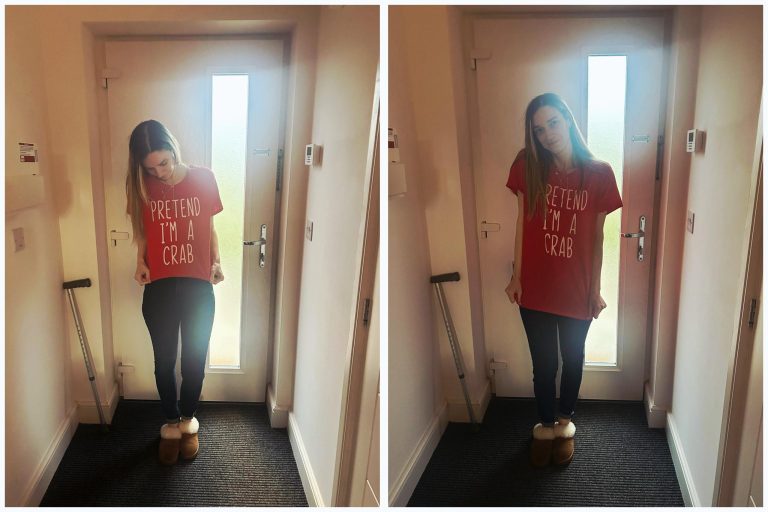
The logistics of daily life with a debilitating condition can be humiliating and isolating. Simple tasks like getting dressed or making a cup of tea become monumental challenges. Doors feel like barriers, and needing help for basic needs like walking from one room to the next feels like a marathon. Then there’s the guilt—guilt for needing help, guilt for the independence I’ve lost, and guilt from the fear of being a burden.
Amid these trials, I am perpetually caught between seeking assistance and yearning for independence, between showing gratitude and battling the fear that others might view their help as obligatory. It’s a silent struggle, one often masked by humor and smiles, because how else am I going to cope?
The plain truth is that not every day is going to be filled with smiles and positivity. Some days are harder than others. Some thoughts are more challenging to face, let alone voice. But I feel that it’s essential to acknowledge them and understand that it’s perfectly acceptable to have these feelings. It really is OK not to be OK.
So, when you find yourself feeling the weight of your struggles, remember: it’s OK to ask for help, and it’s OK to take time for yourself. We can only take life one day at a time, one step at a time. And on days when the steps are too hard to take, it’s OK to rest, to reach out, and to remind ourselves that our best is enough—even if our best is simply getting through the day.